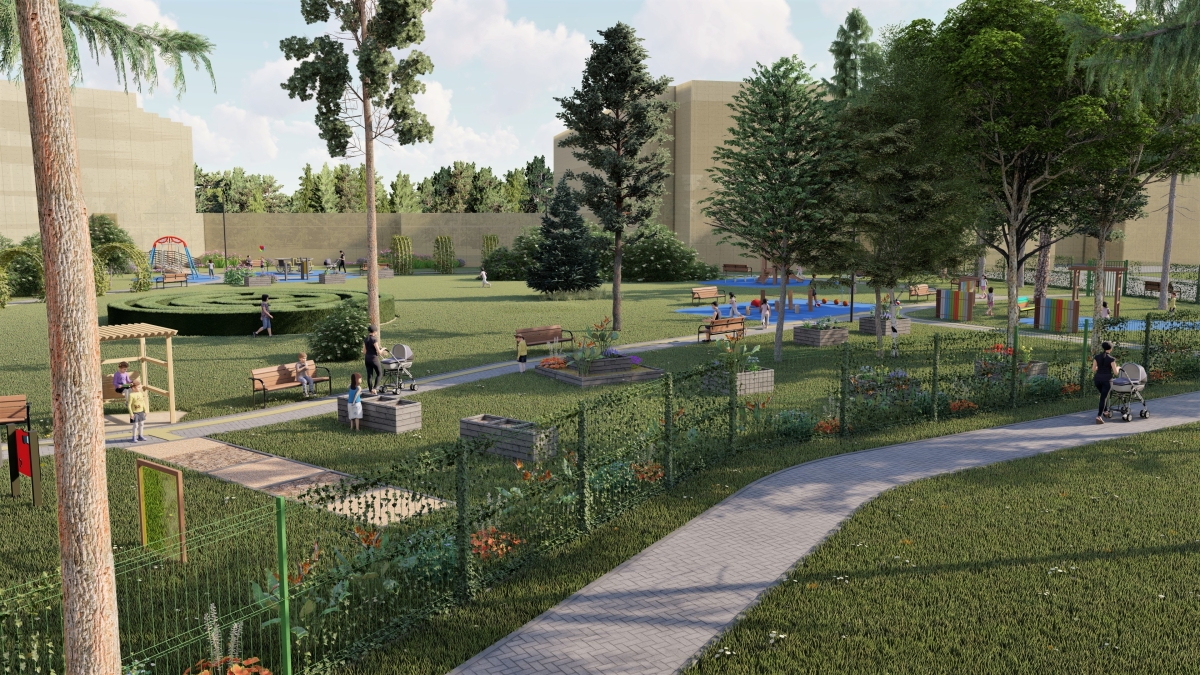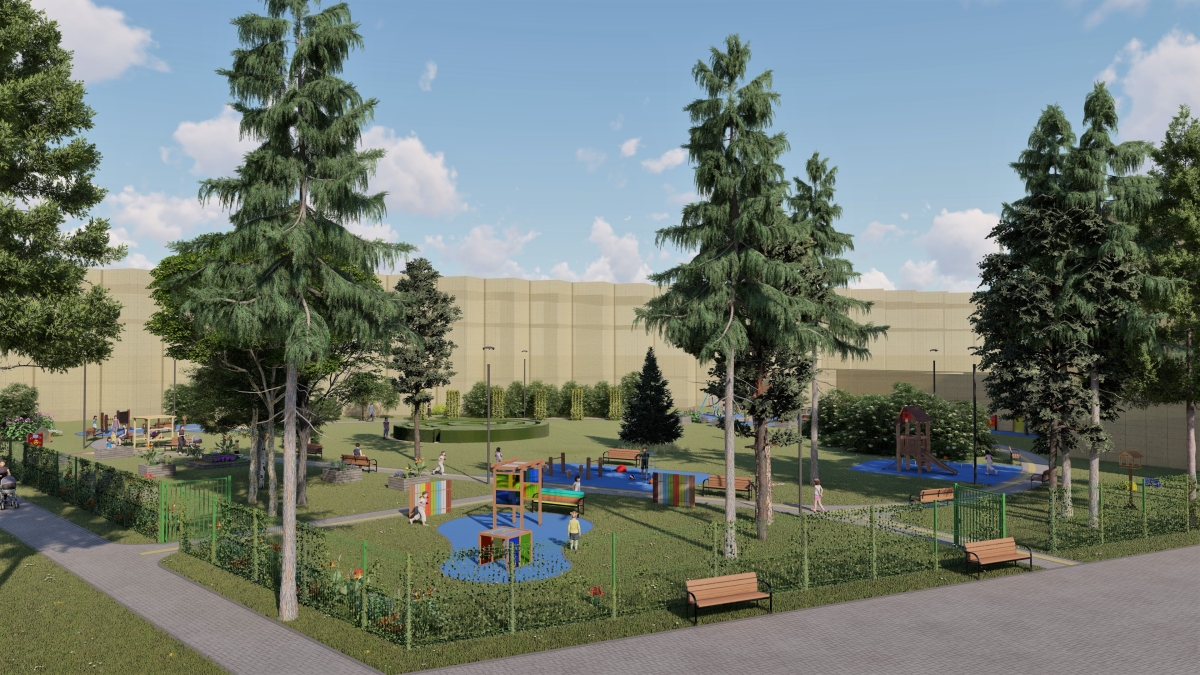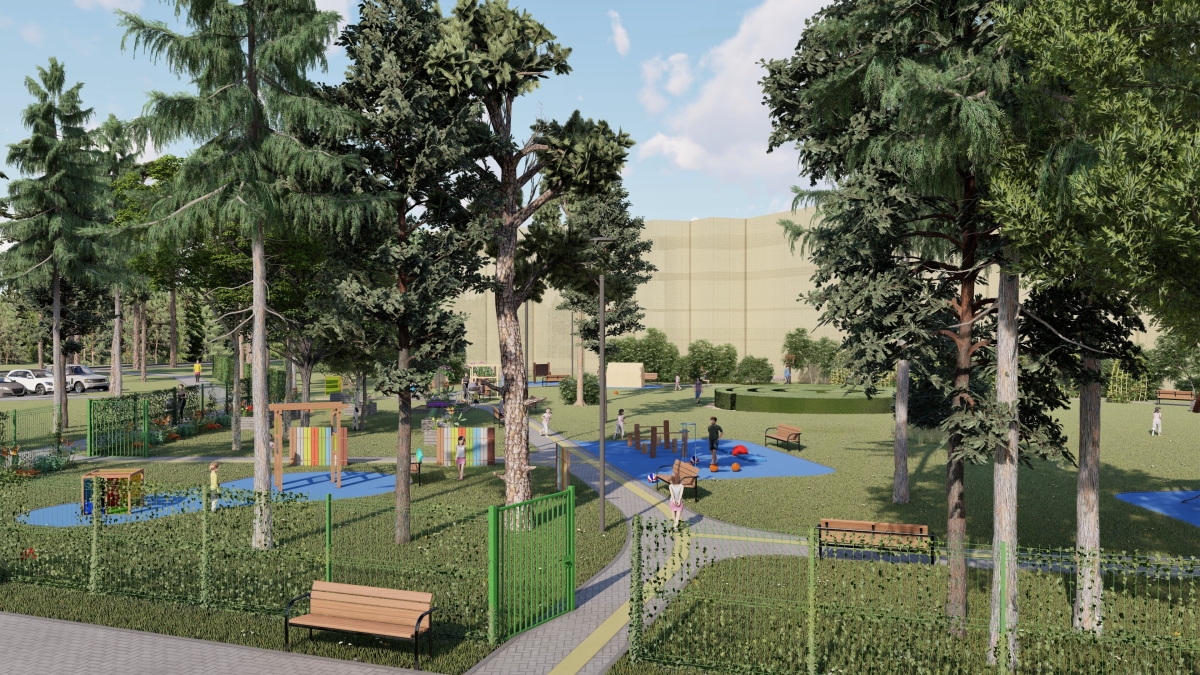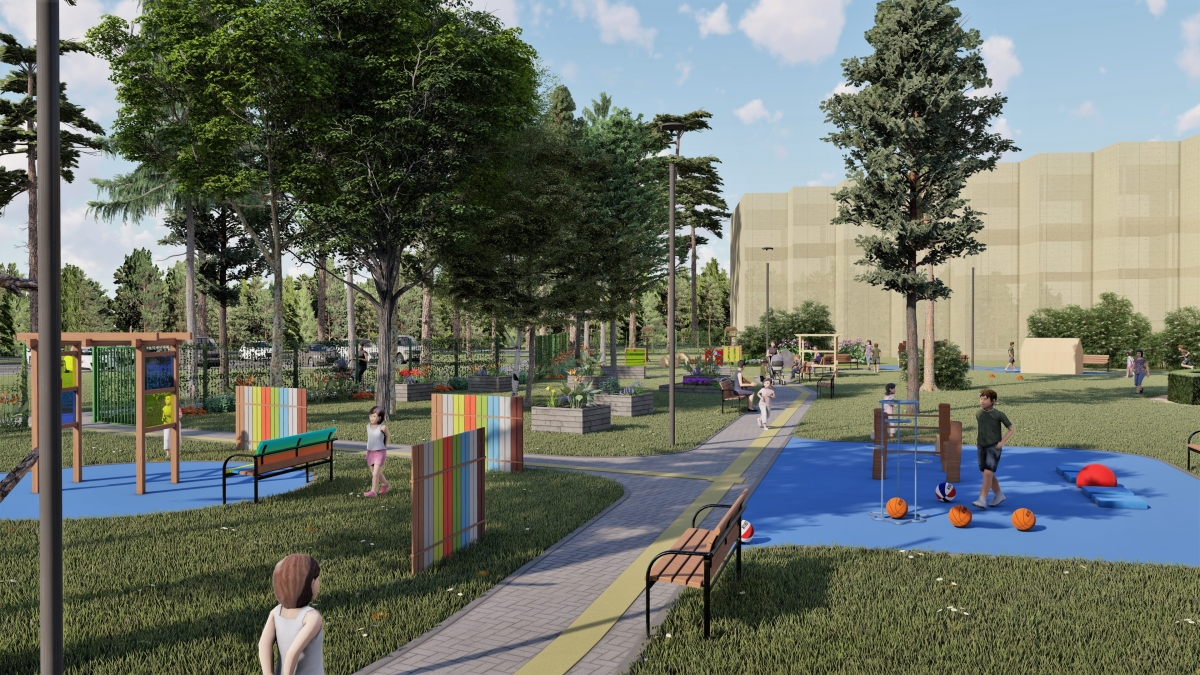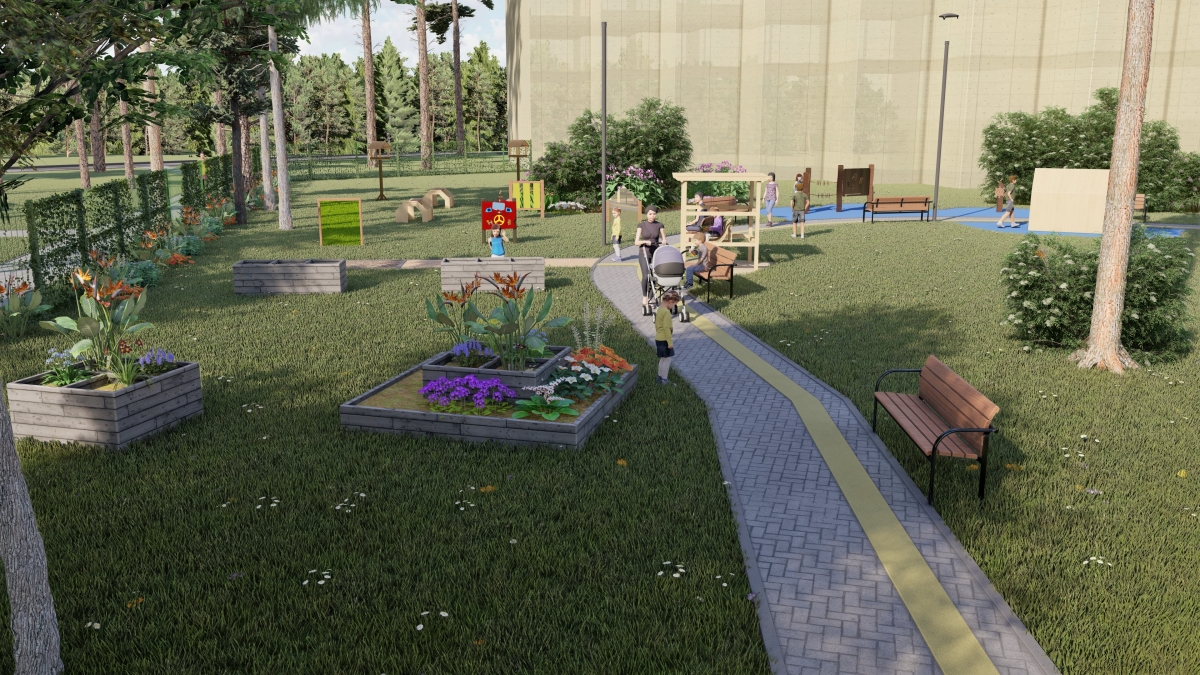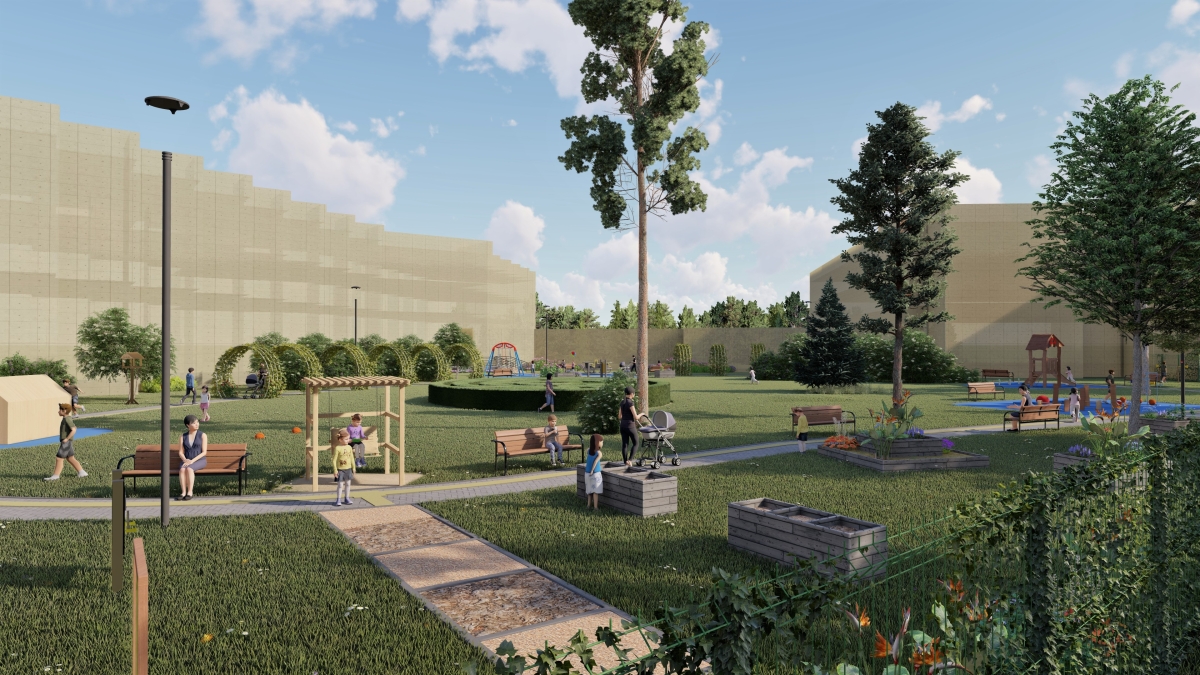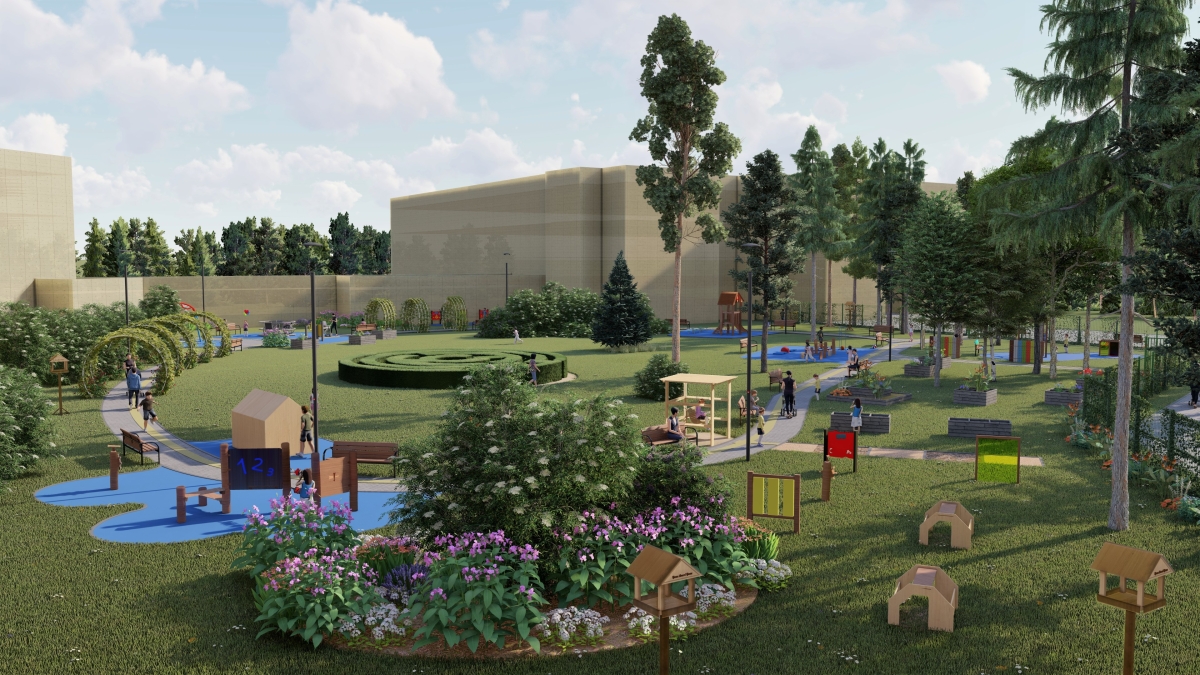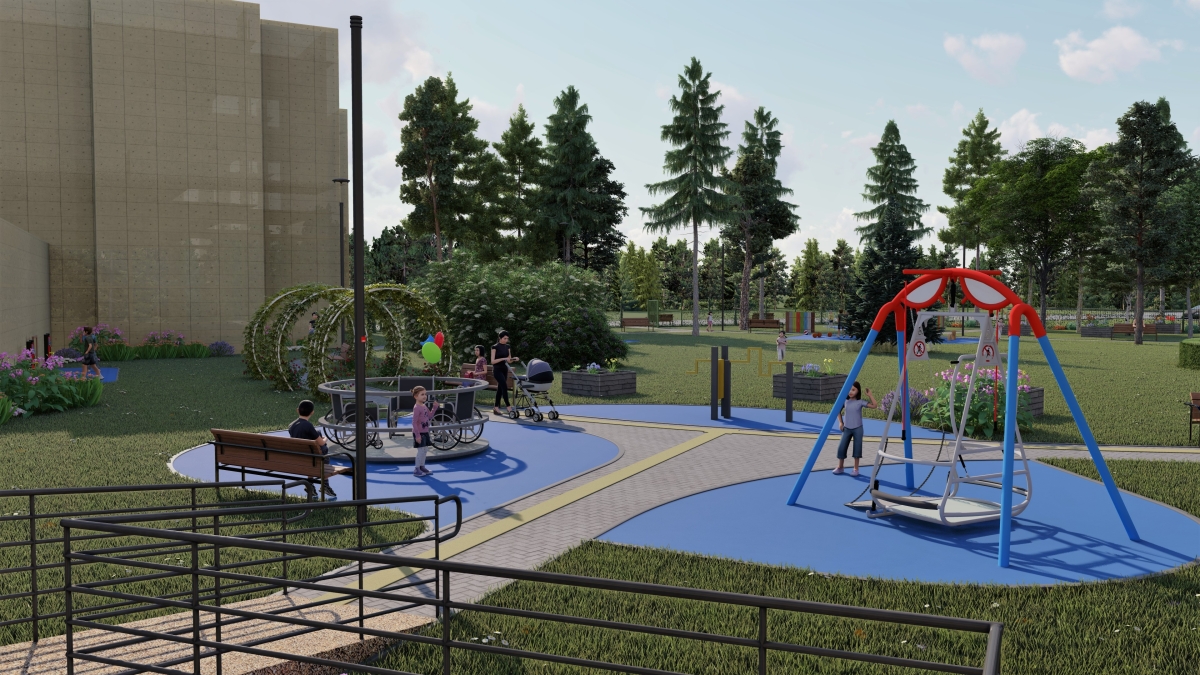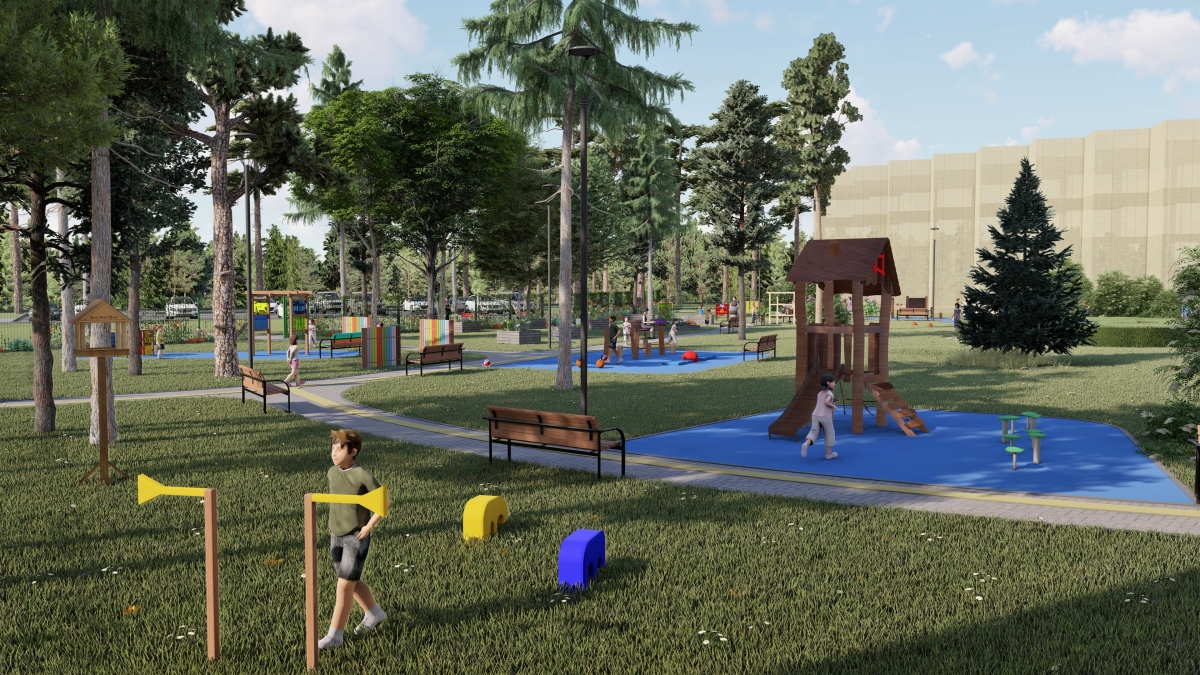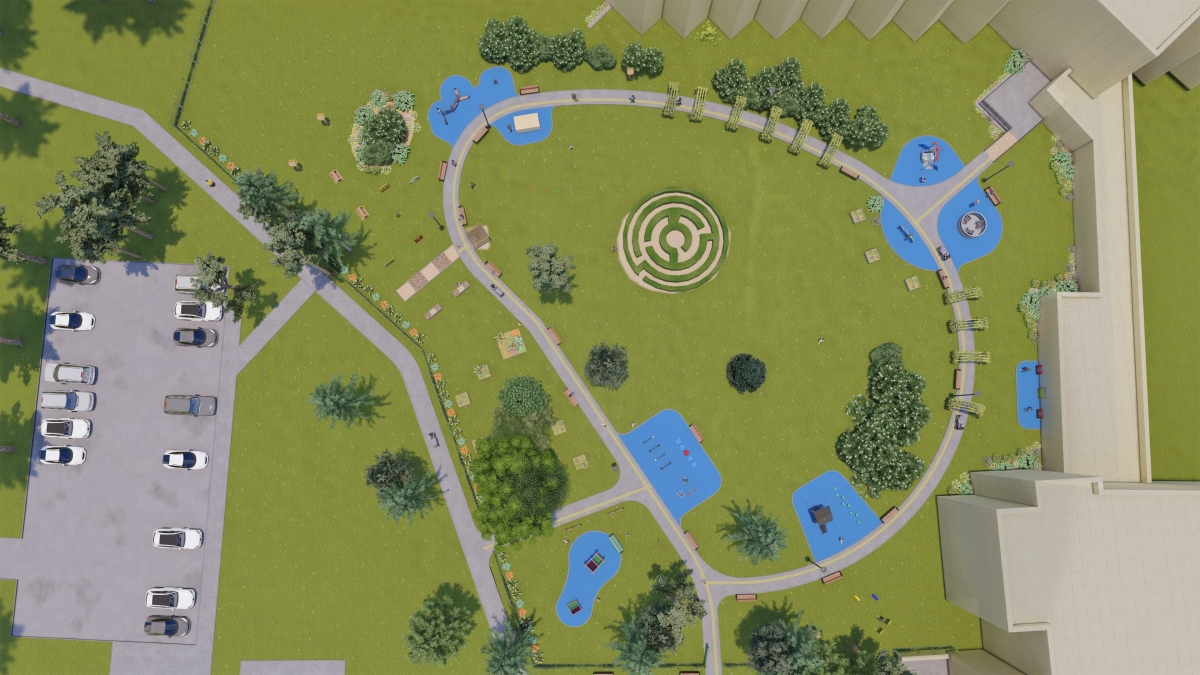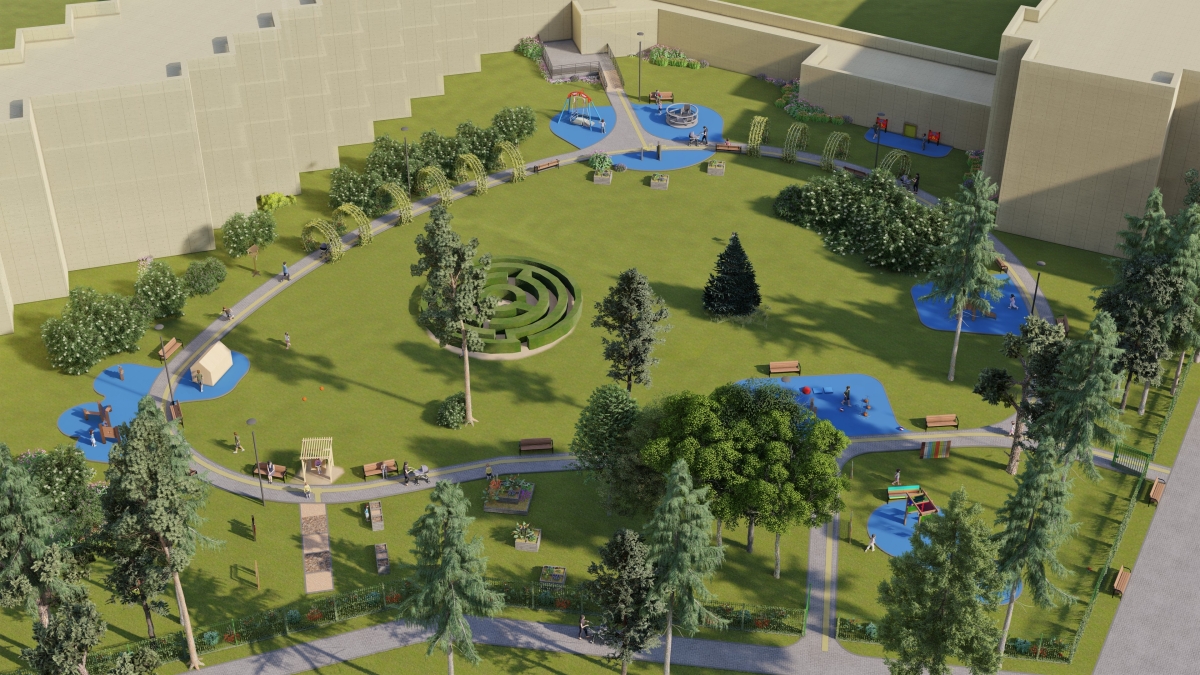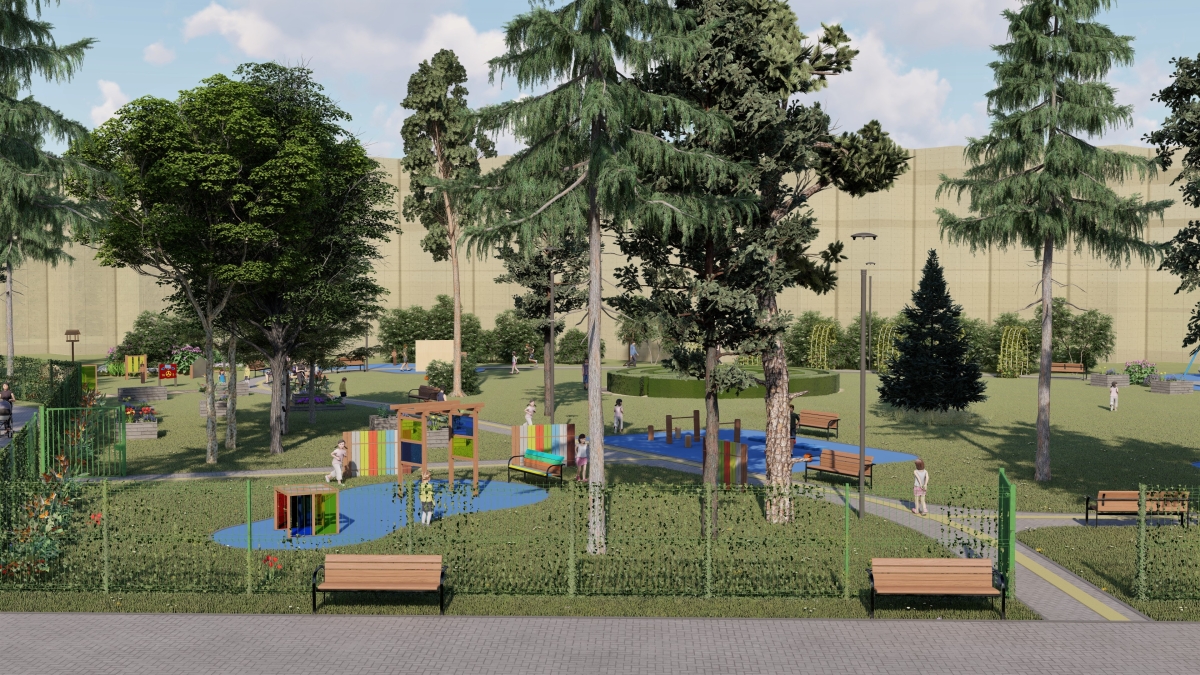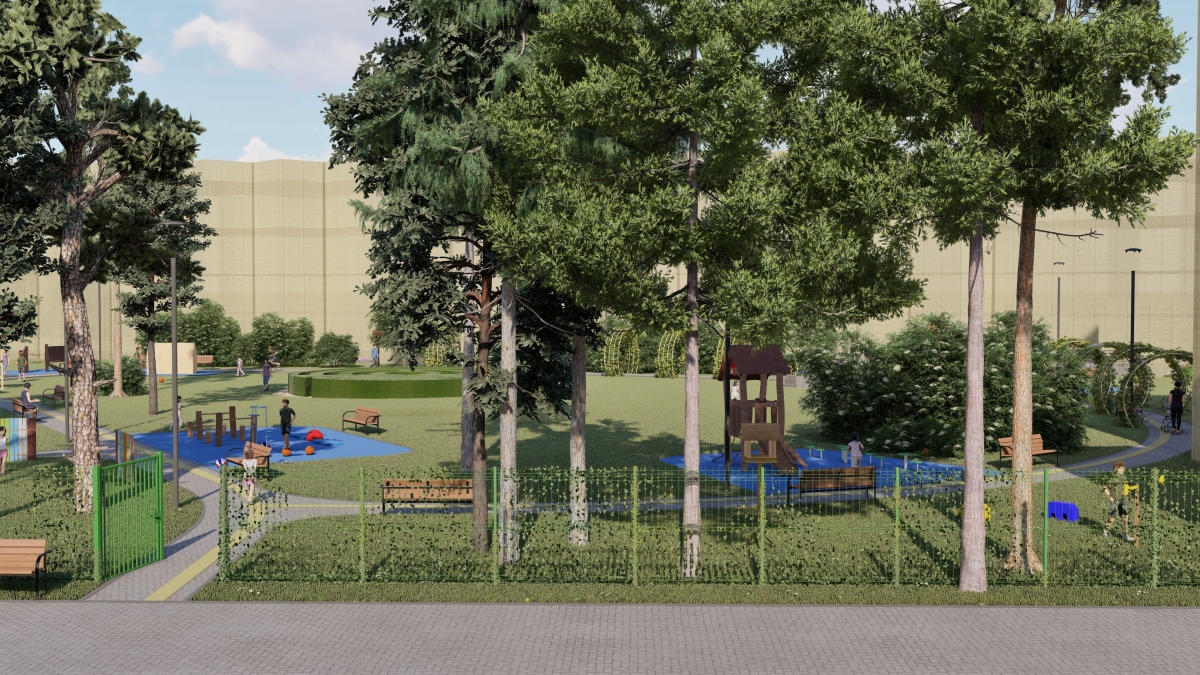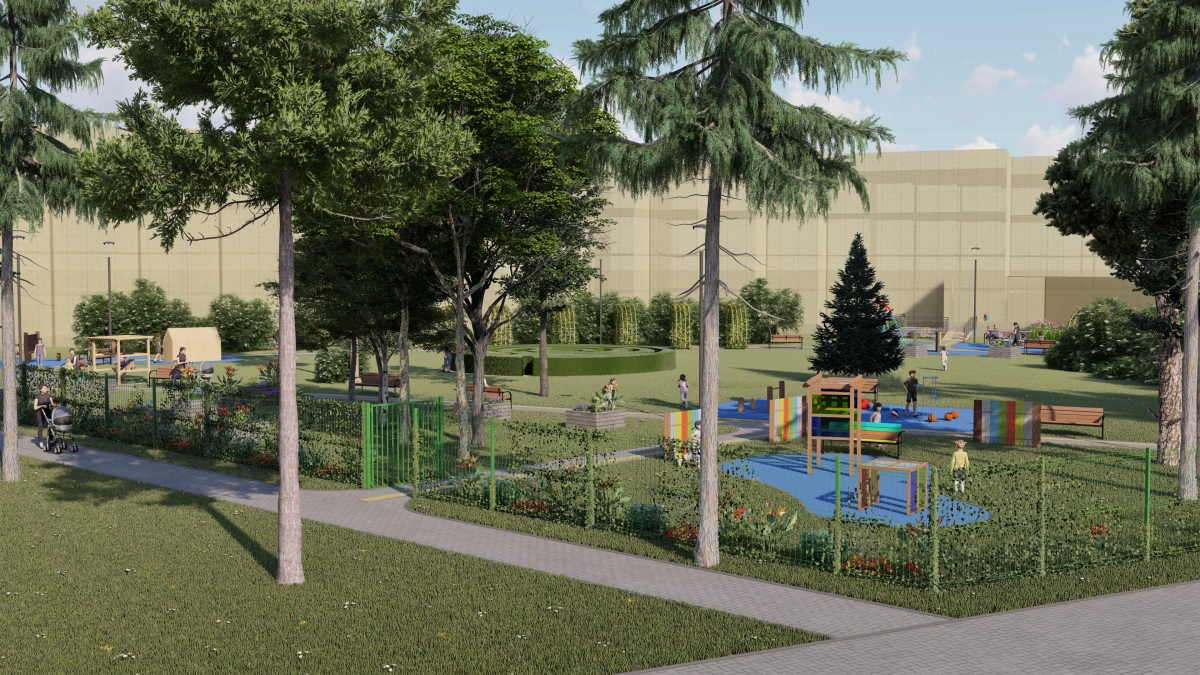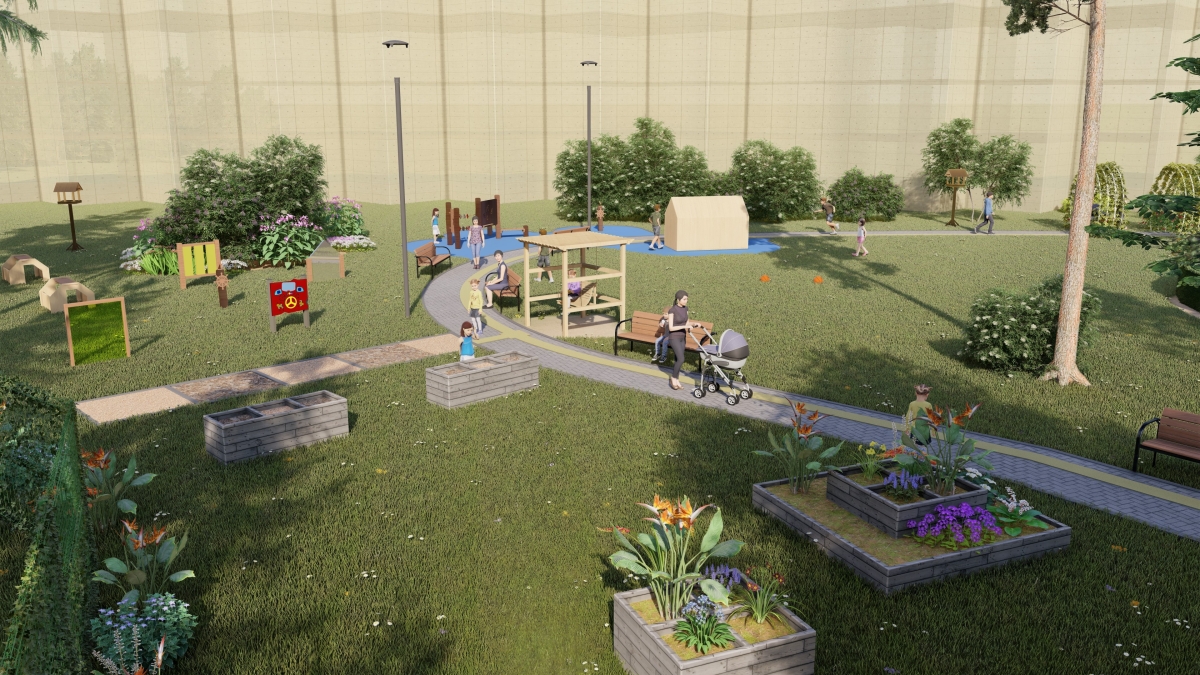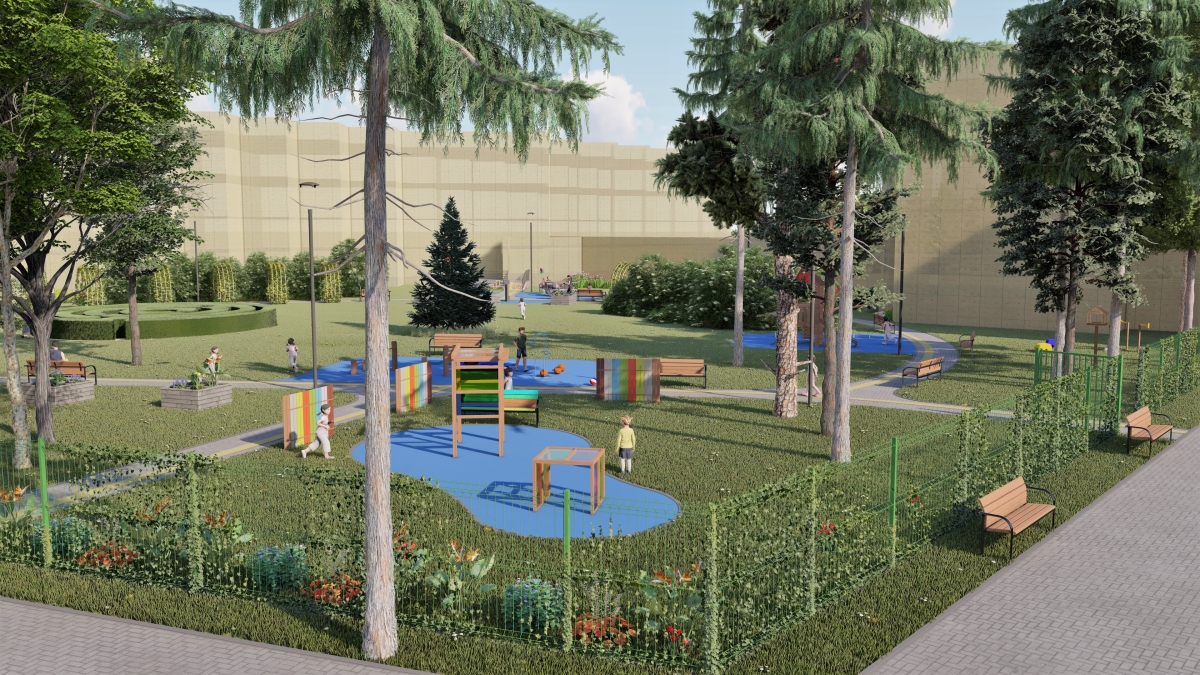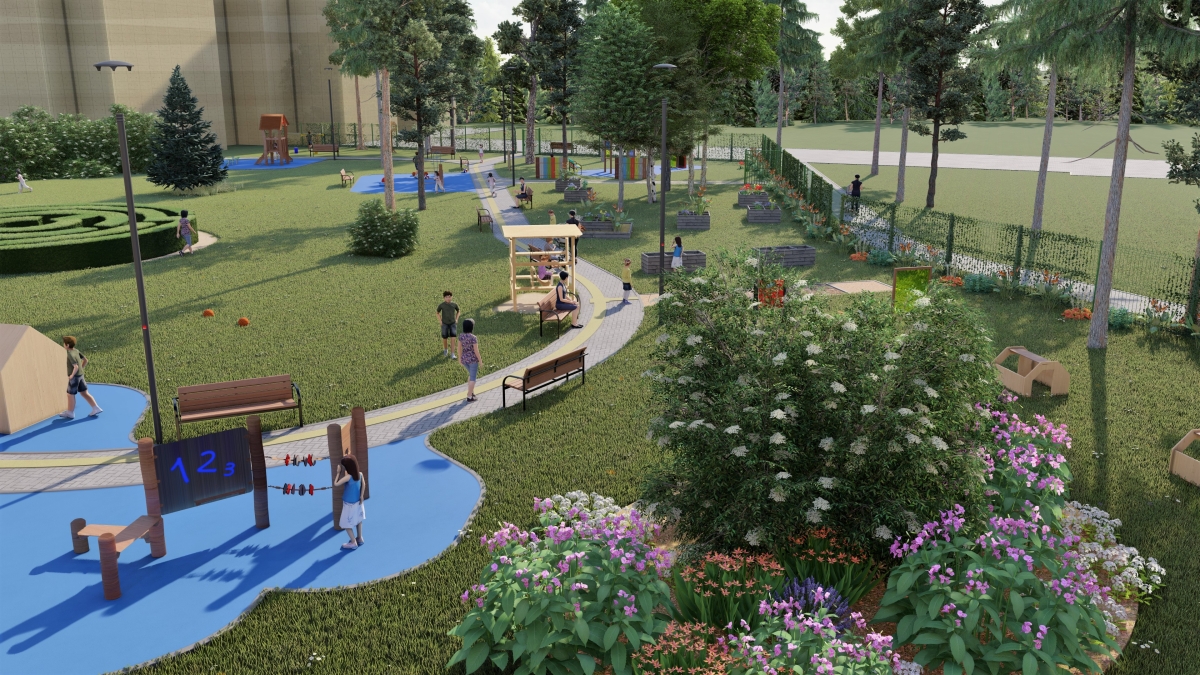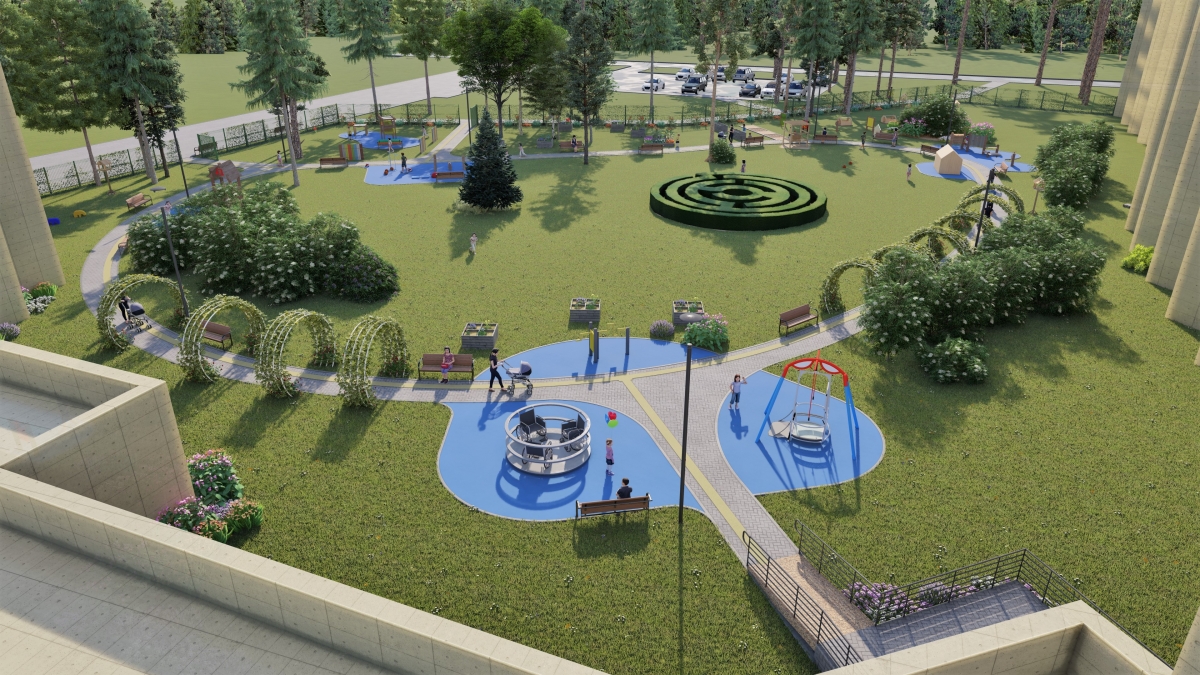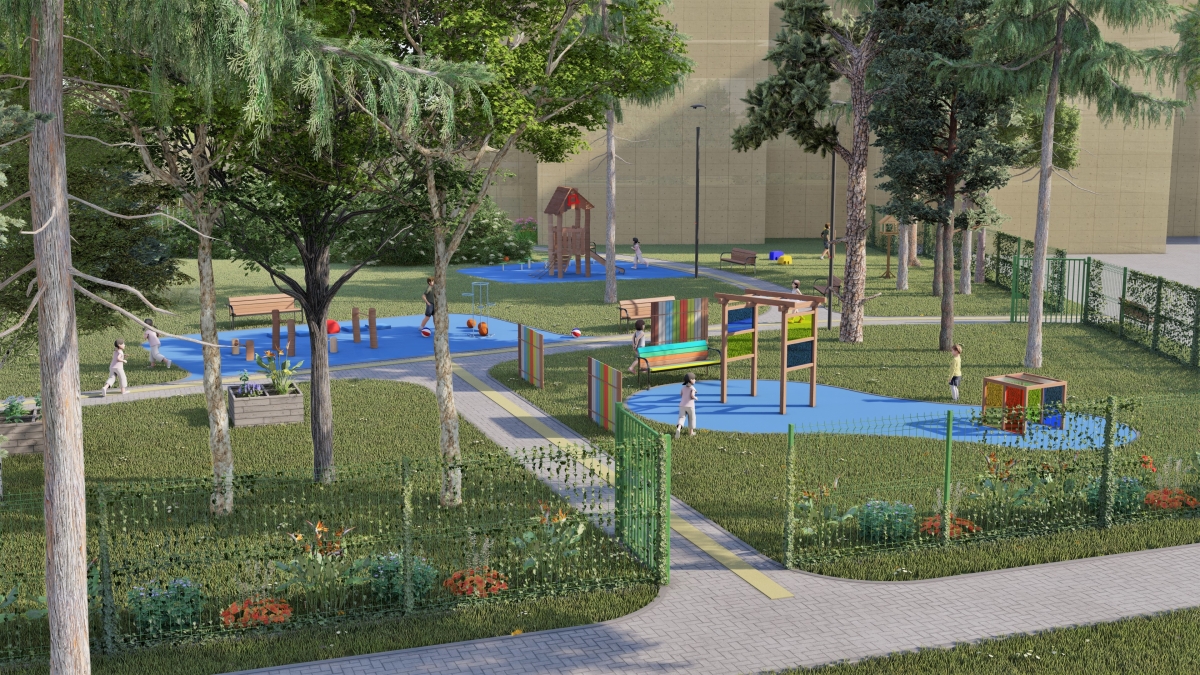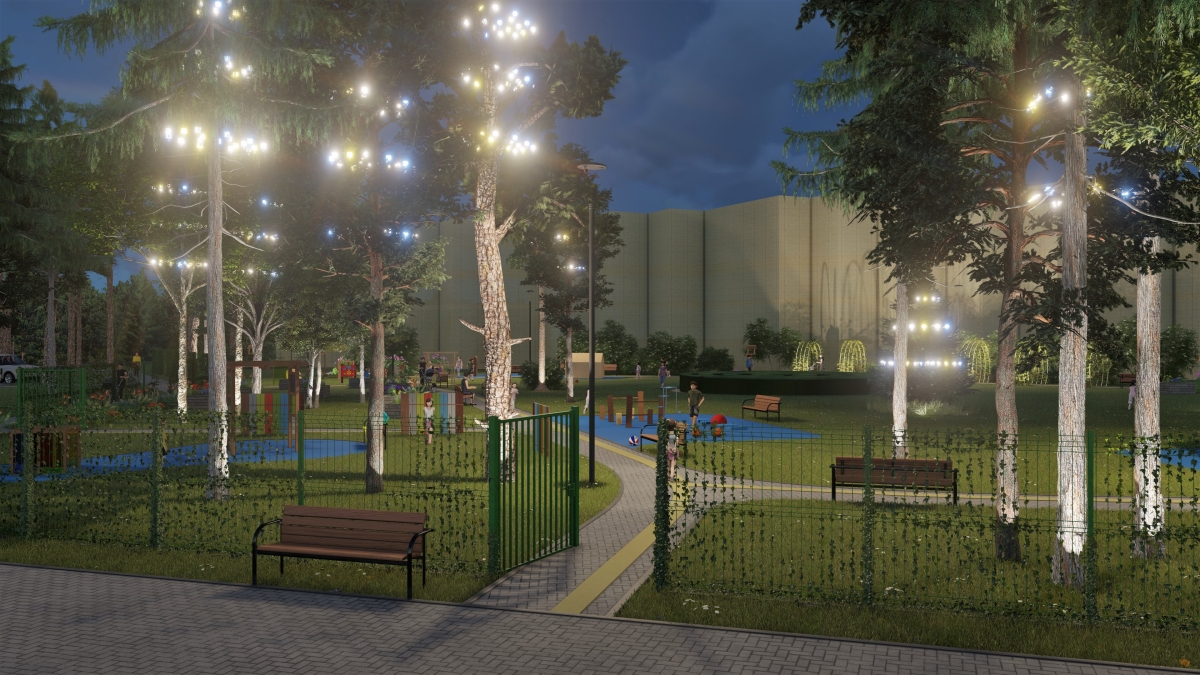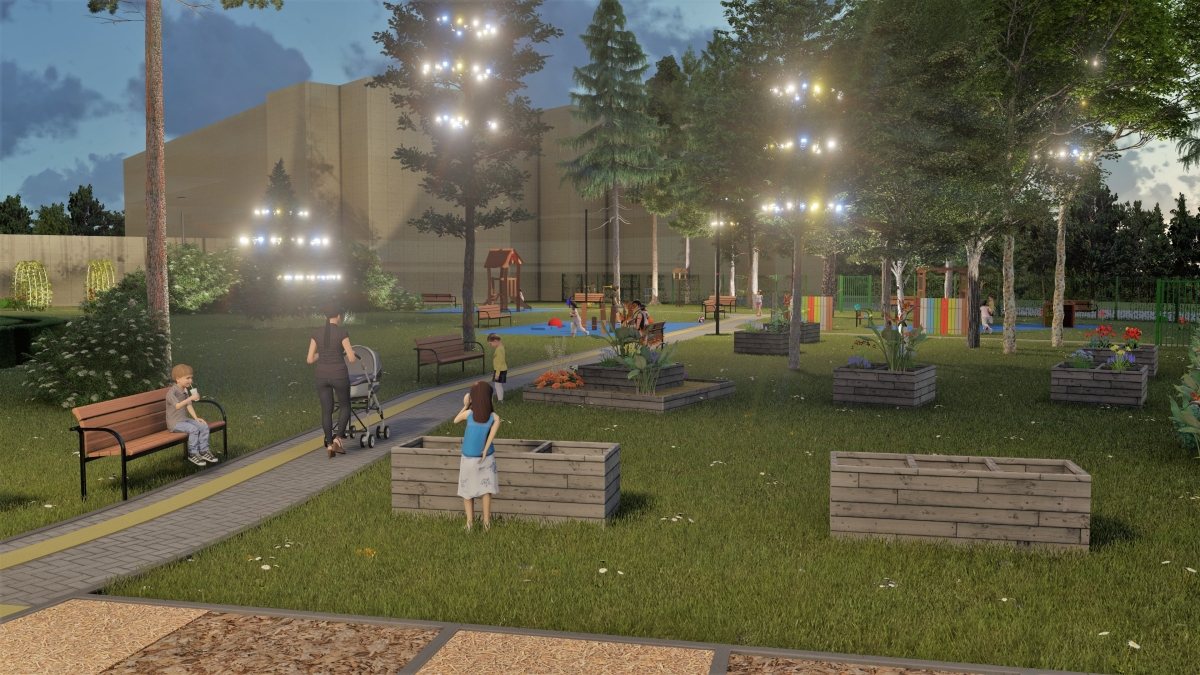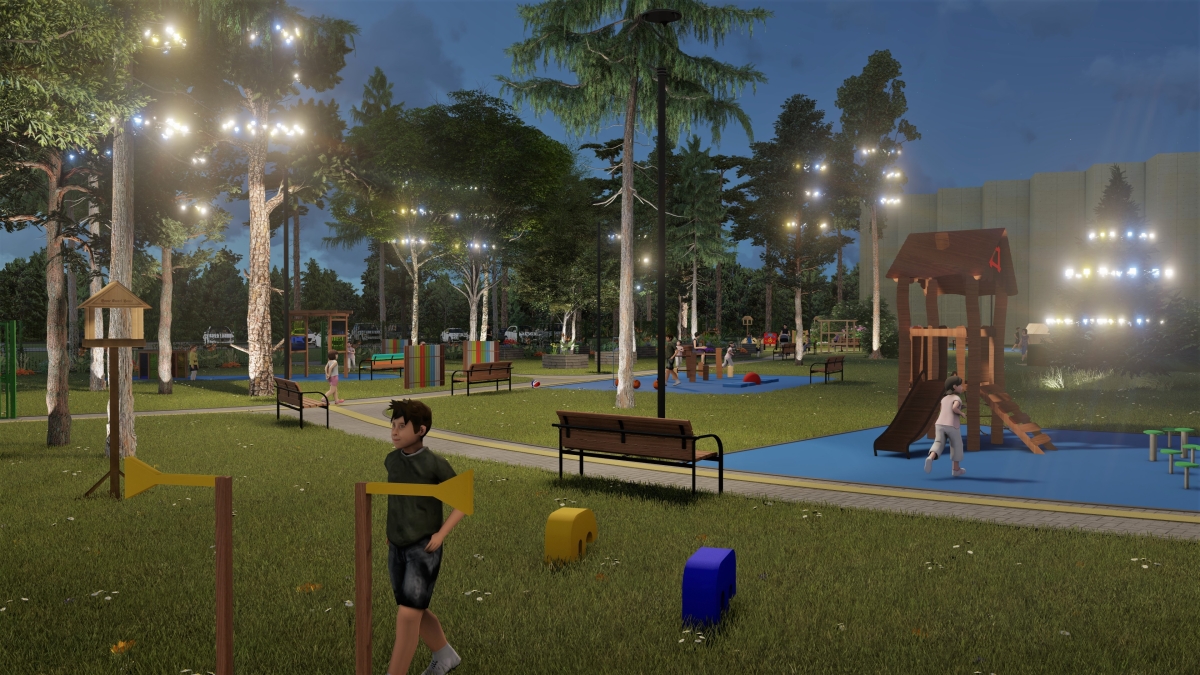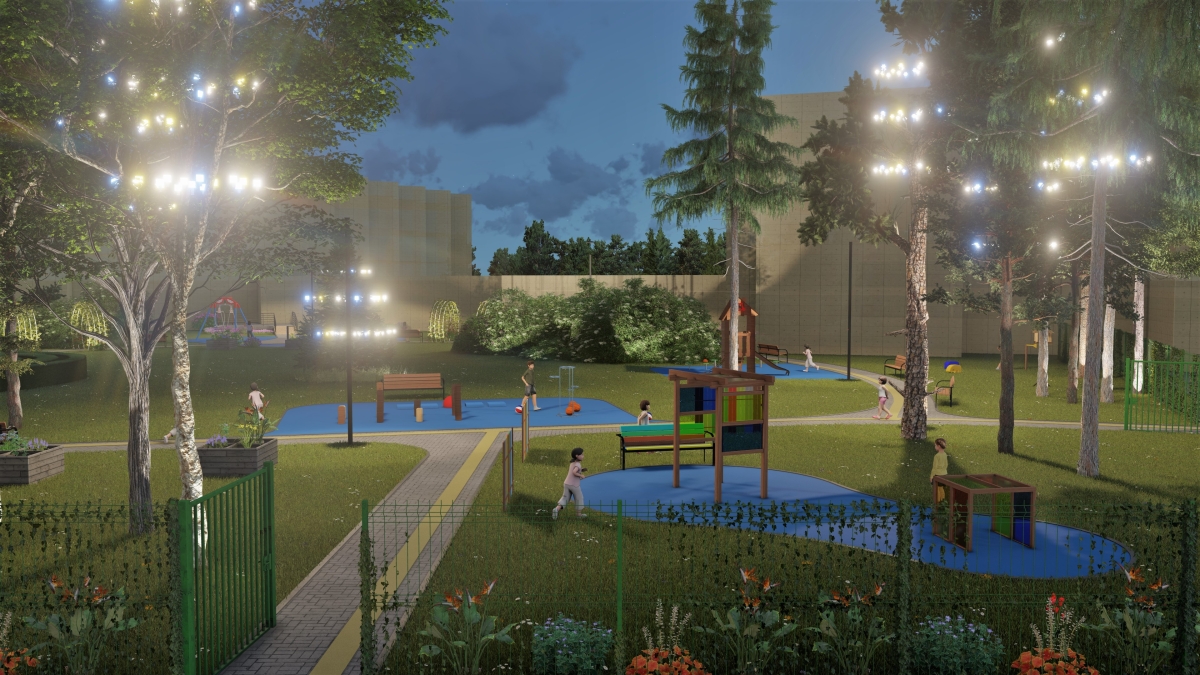
Creating a Sensory Garden at Children rehabilitation centre ‘Palangos Gintaras’

Annual Reach: ~6,000 children served per year from all regions of the country.
Capacity: Over 300 accredited beds ensuring personalized care.
Specialization: Level II medical rehabilitation and sanatorium treatment, combining classical medical approaches with modern therapies such as physiotherapy, logotherapy, halotherapy, art therapy, and more.
Growing Demand for Sensory-Based Rehabilitation
Nearly 40% of preschool-aged children with neurodevelopmental disorders experience atypical sensory processing, with the highest rates (44.4%) in children with autism spectrum disorder.
Impact: These sensory difficulties are closely linked to behavioural and emotional problems, affecting learning, attention, and social participation.
Need for Intervention: Early, targeted sensory interventions—such as sensory gardens—are increasingly essential in modern children’s rehabilitation settings [1].
Why Choose a Sensory Garden for children’s Rehabilitation?
Multisensory Stimulation: Sensory gardens engage sight, sound, touch, smell, and taste, providing children with neurodevelopmental disorders a safe and supportive environment [2].
Cognitive and Social Benefits: Interacting with sensory gardens enhances communication skills, physical mobility, independence, and social engagement [3].
Emotional and Mental Health: Time spent in sensory gardens reduces stress-related hormones, such as cortisol, and promotes improved mood, emotional regulation, and overall well-being [4].
[1] Atypical Sensory Processing in Neurodevelopmental Disorders: Clinical Phenotypes in Preschool-Aged Children by Federica Gigliotti https://www.researchgate.net/publication/382406753_Atypical_Sensory_Processing_in_Neurodevelopmental_Disorders_Clinical_Phenotypes_in_Preschool-Aged_Children
[2] Benefits of sensory gardens: boosting mind and body wellness https://www.evergreeninfrastructure.com.au/blog/benefits-of-sensory-garden
[3] Design of sensory gardens for children with disabilities in the context of the United Kingdom by Hazreena Hussein https://www.academia.edu/43883355/Design_of_sensory_gardens_for_children_with_disabilities_in_the_context_of_the_United_Kingdom#outer_page_4
[4] The Role of Sensory Gardens in Improving Mental Health Outcomes https://worldhealth.net/news/sensory-gardens-improving-mental-health/